How to Create a Wildlife-Friendly Garden This Spring
How to Create a Wildlife-Friendly Garden This Spring
Spring brings fresh growth, longer days, and new life. Therefore, it offers the perfect time to transform your outdoor space. If you want to support nature, you can start in your own garden. A wildlife-friendly garden attracts birds, bees, and small mammals. Moreover, it boosts biodiversity and creates a peaceful setting.
In this guide, you will learn how to create a wildlife-friendly garden this spring. Furthermore, you will discover simple steps that deliver real results.
Start with a Simple Plan
First, take time to assess your garden. Look at sunlight, shade, and soil type. Then, decide how you want to use the space. For example, you may want a mix of flowers, shrubs, and a small pond.
Next, sketch a rough layout. This step helps you organise planting areas. In addition, it ensures you leave space for wildlife features. As a result, you create a balanced and functional garden.
Choose Native Plants
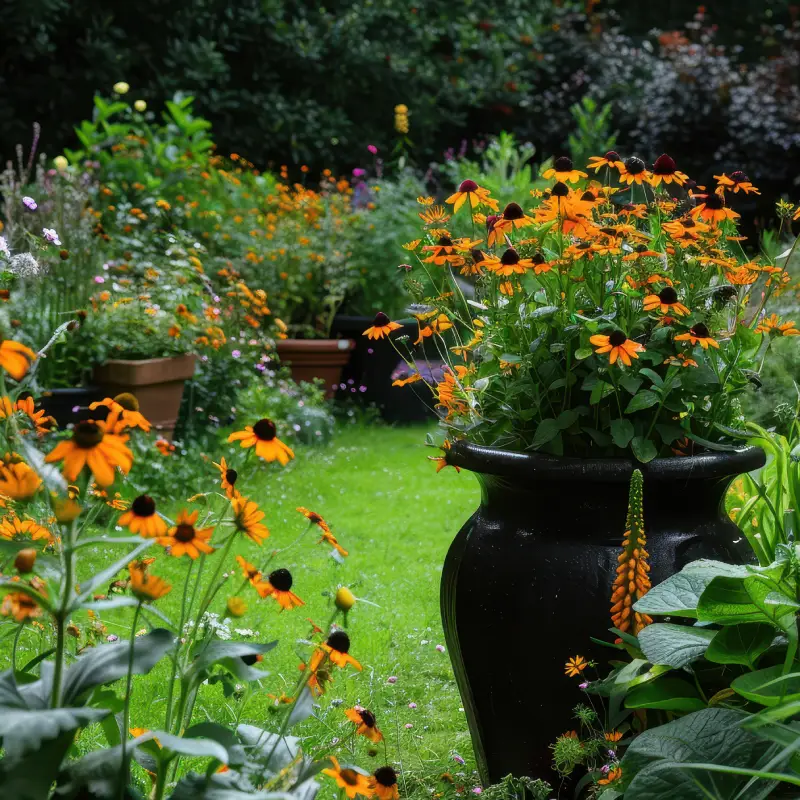
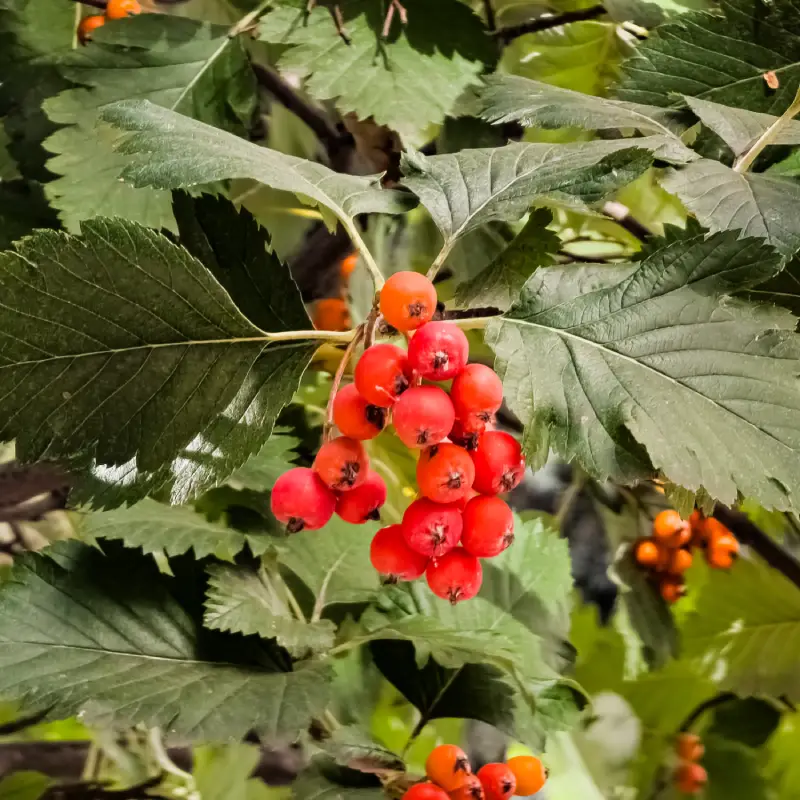
Native plants support local wildlife. Therefore, they should form the backbone of your garden. These plants provide food and shelter for insects and birds.
For example, choose wildflowers like oxeye daisy and red clover. Additionally, plant shrubs such as hawthorn or blackthorn. These options attract pollinators and offer nesting sites.
Moreover, native plants require less maintenance. As a result, you save time and water. Consequently, your garden stays healthy with less effort.
Plant for Pollinators
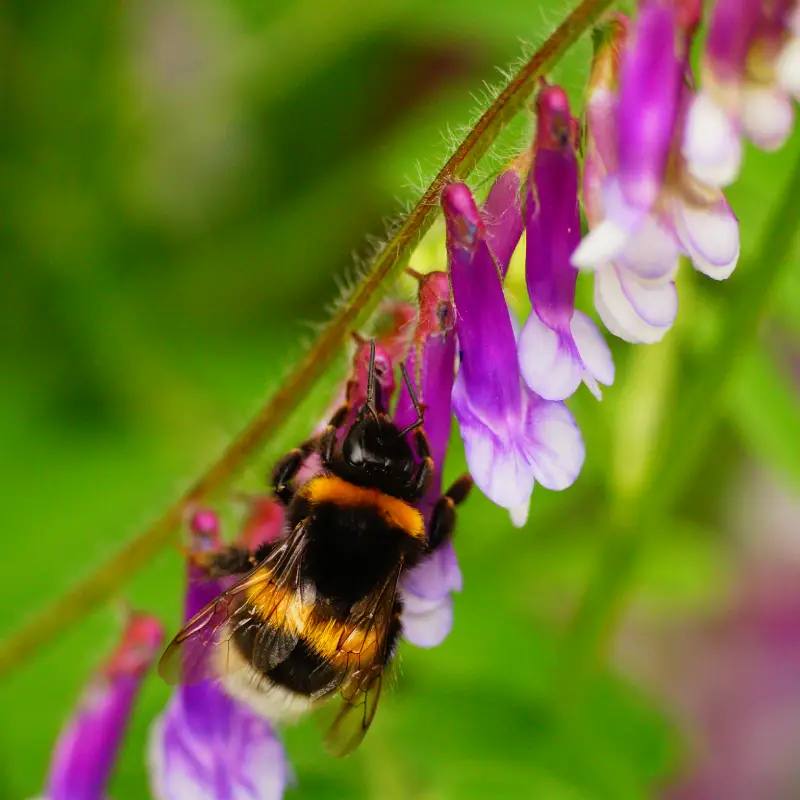
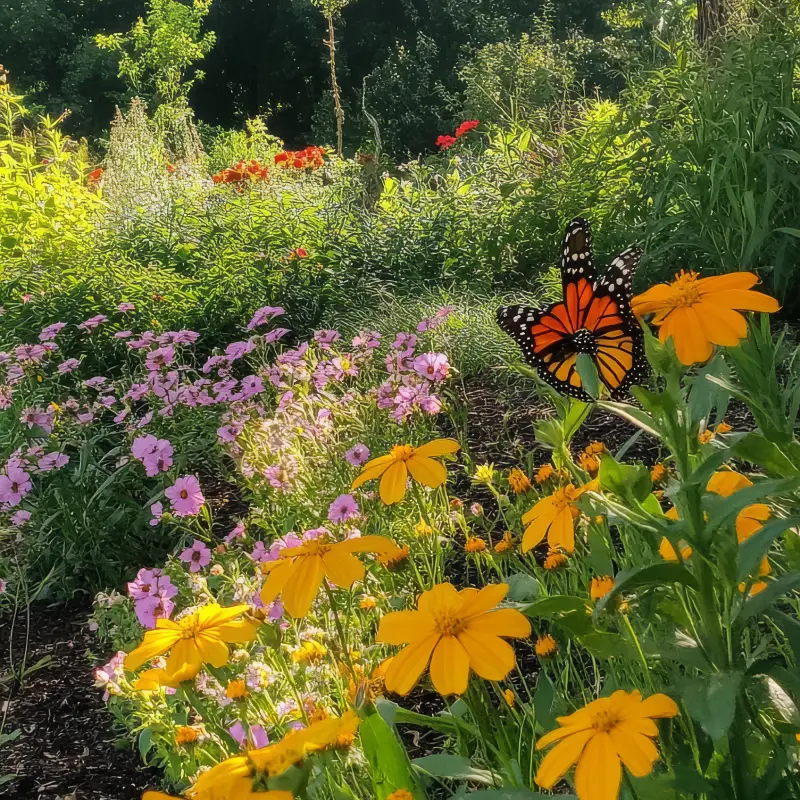
Pollinators need nectar and pollen throughout the season. Therefore, plant a range of flowers that bloom at different times. This approach ensures a steady food supply.
For instance, include early bloomers like crocus and primrose. Then, add summer flowers such as lavender and foxglove. Finally, plant late bloomers like sedum and asters.
In addition, group flowers in clusters. This method helps bees find food quickly. As a result, your garden becomes more attractive to pollinators.
Create Layers and Shelter
Wildlife needs shelter to thrive. Therefore, aim to create layers in your garden. Use ground cover, mid-height plants, and taller shrubs.
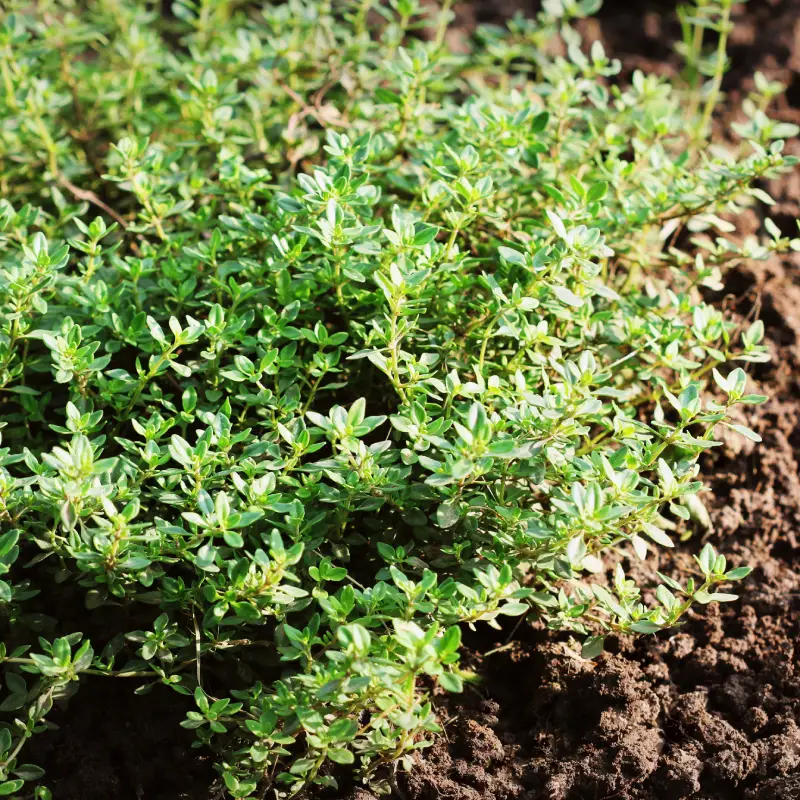
For example, plant low-growing thyme or creeping plants. Then, add medium plants like ferns or grasses. Finally, include trees or tall shrubs for height.
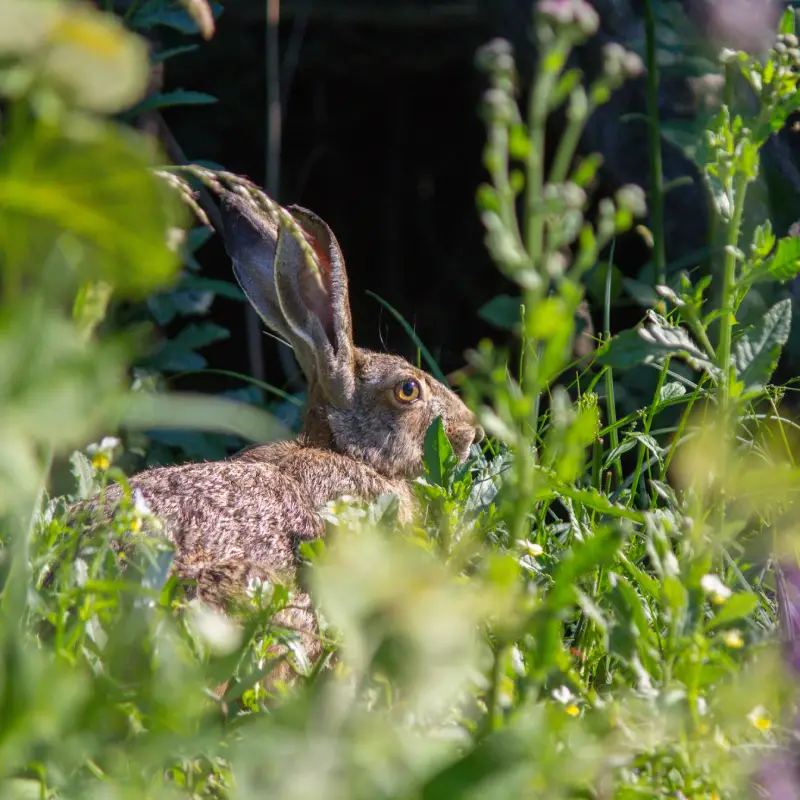
Moreover, leave some areas slightly wild. Long grass and dense planting offer hiding spots. Consequently, small animals feel safe and stay longer.
Add a Water Source
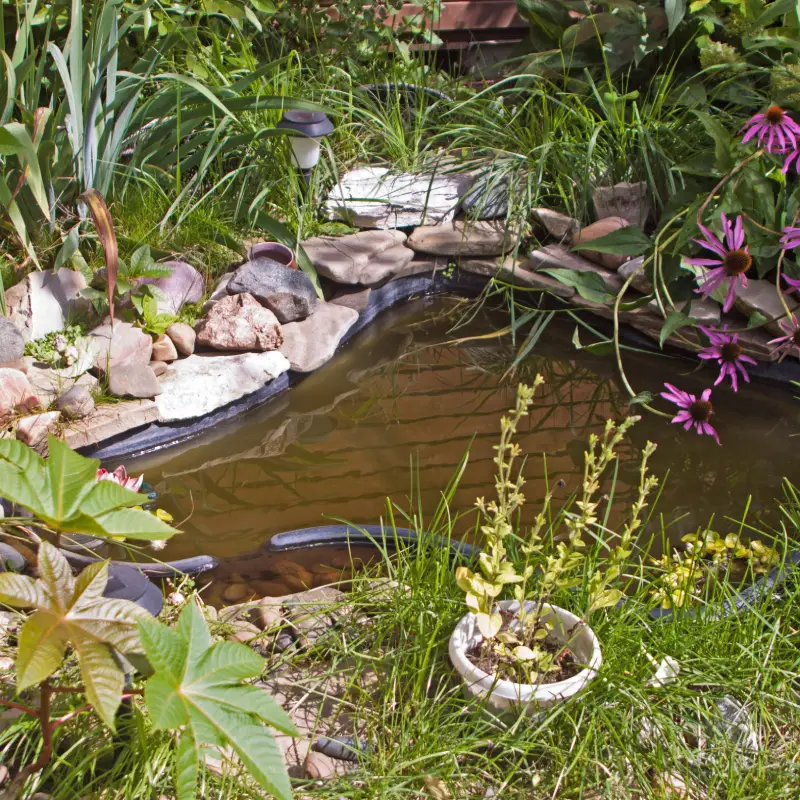
Water attracts a wide range of wildlife. Therefore, include a water feature if possible. Even a small pond can make a big difference.
If space allows, dig a shallow pond. Then, add native aquatic plants. In addition, create sloping edges so animals can enter and exit safely.
Alternatively, place a birdbath in a quiet spot. However, clean it regularly. As a result, you keep water fresh and safe.
Provide Food Naturally
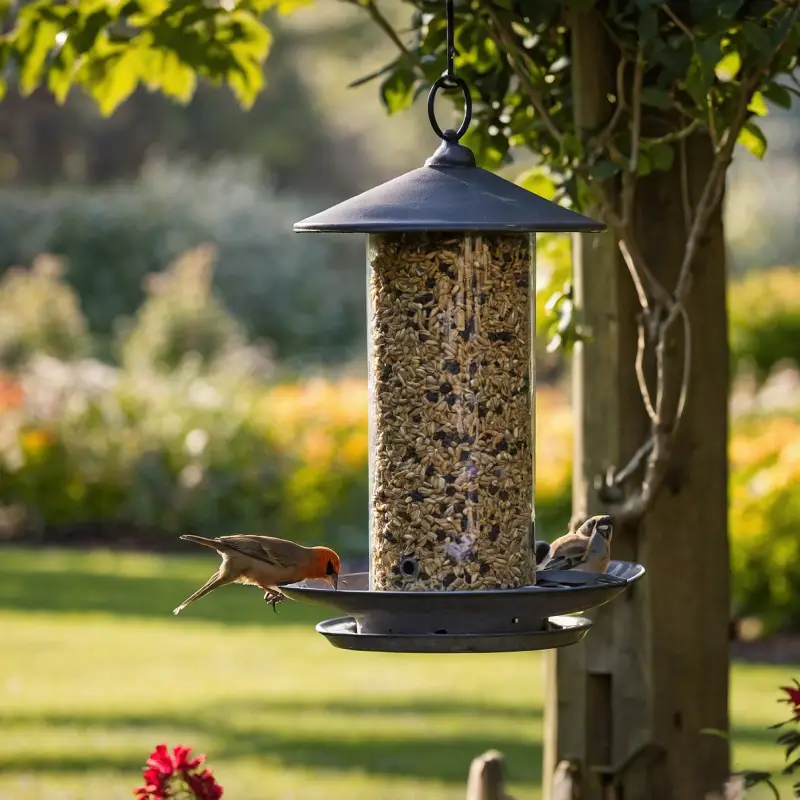
Wildlife thrives when food remains available. Therefore, avoid relying on artificial feeding alone. Instead, grow plants that produce seeds, berries, and nectar.
For example, plant sunflowers for seeds. Additionally, include berry-producing shrubs like elderberry. These plants feed birds and insects.
Furthermore, leave some seed heads during autumn. Do not cut everything back too soon. As a result, birds can feed during colder months.
Avoid Chemicals
Chemicals harm wildlife. Therefore, avoid pesticides and herbicides. Instead, use natural alternatives.
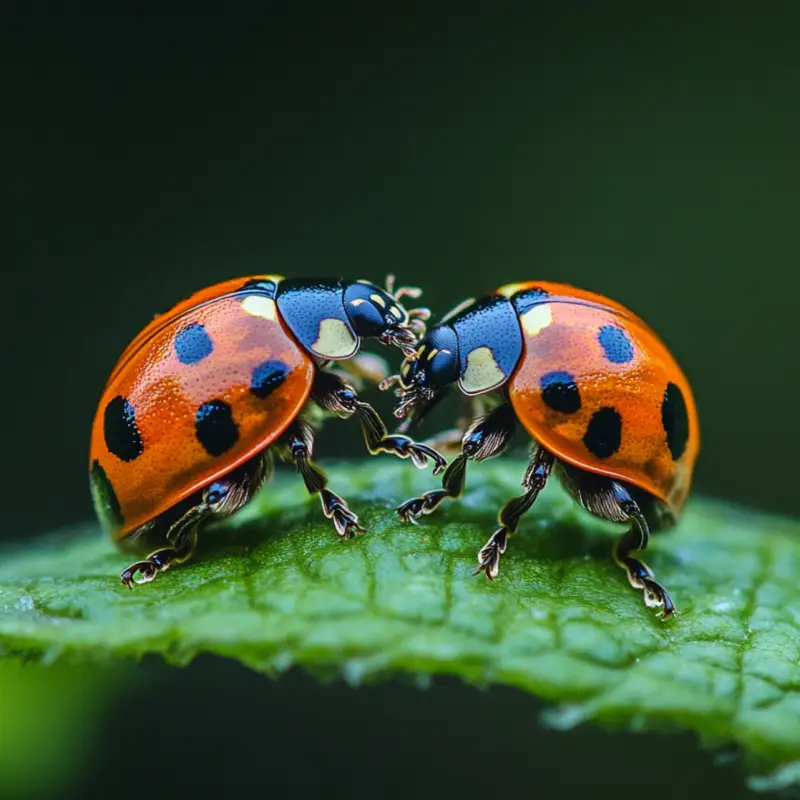
For example, encourage ladybirds to control aphids. Additionally, use compost to improve soil health. Healthy soil supports strong plants.
Moreover, remove pests by hand if needed. Although this takes time, it protects your garden ecosystem. Consequently, you maintain a safe environment for wildlife.
Build Habitats
Different species need different habitats. Therefore, include features that support various animals.
For instance, install bird boxes in quiet areas. Position them away from strong winds. In addition, place them at a suitable height.
Next, create a log pile using old wood. This feature attracts insects and small mammals. Moreover, it provides shelter during colder nights.
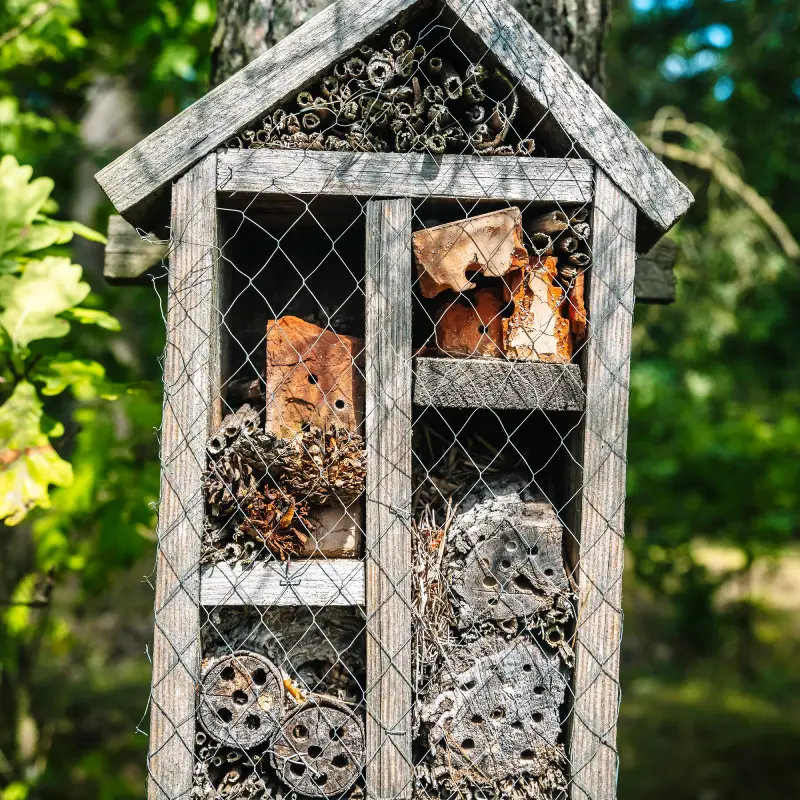
You can also add a bug hotel. Use bamboo, bricks, and wood. As a result, insects find safe places to nest.
Support Hedgehogs
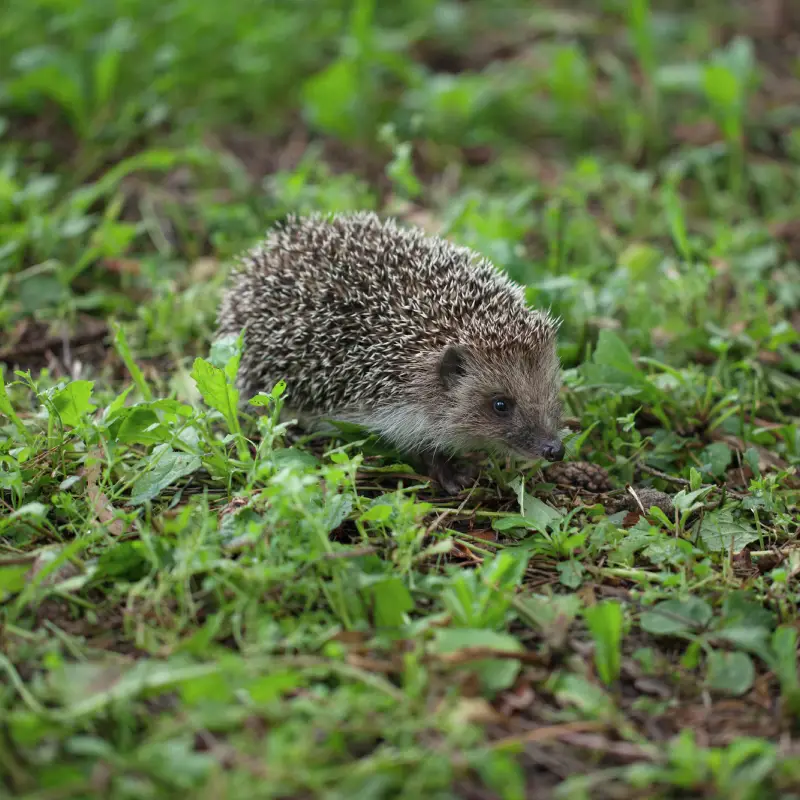
Hedgehogs need safe routes and shelter. Therefore, create small gaps in fences. These gaps allow them to move between gardens.
In addition, provide a hedgehog house in a quiet corner. Fill it with dry leaves. Moreover, avoid using slug pellets, as they harm hedgehogs.
Furthermore, leave some natural debris. Piles of leaves offer nesting material. Consequently, hedgehogs feel secure in your garden.
Use Sustainable Practices
Sustainability plays a key role in wildlife gardening. Therefore, collect rainwater for plants. This method reduces water waste.
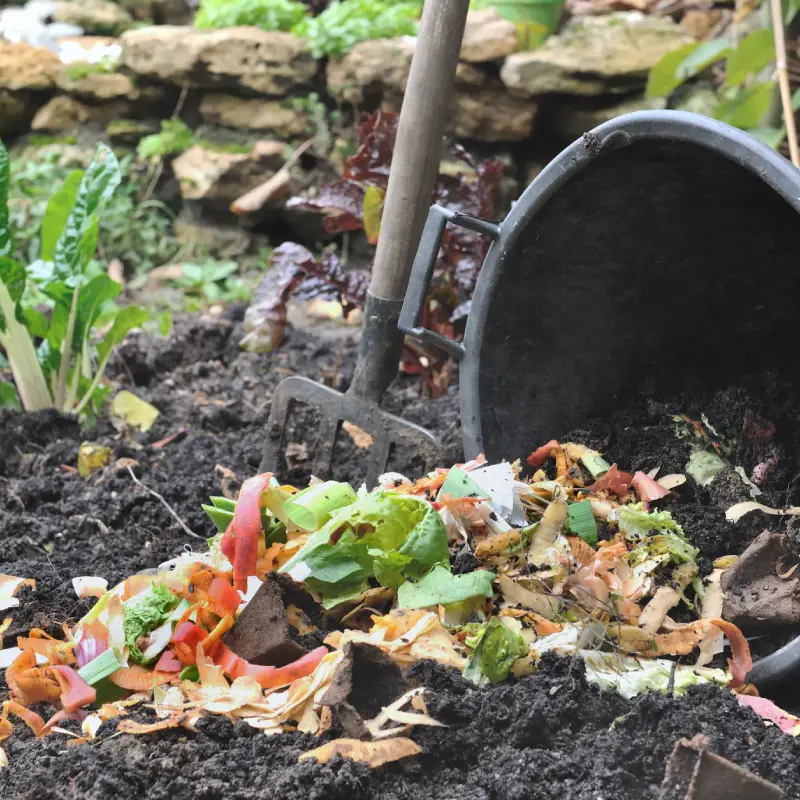
Additionally, compost kitchen and garden waste. Compost improves soil structure and fertility. As a result, plants grow stronger.
Moreover, reuse materials where possible. For example, use old bricks for borders. This approach reduces waste and saves money.
Maintain Your Garden Carefully
Regular maintenance keeps your garden healthy. However, avoid over-tidying. Wildlife needs some mess to survive.
For example, leave fallen leaves in some areas. These leaves provide shelter and nutrients. In addition, delay cutting back plants until spring.
Furthermore, check for nests before trimming. This step protects birds and other animals. As a result, you support wildlife throughout the year.
Enjoy the Benefits of a Wildlife-Friendly Garden This Spring
A wildlife-friendly garden offers many rewards. First, you support local ecosystems. Then, you enjoy a vibrant and lively space.
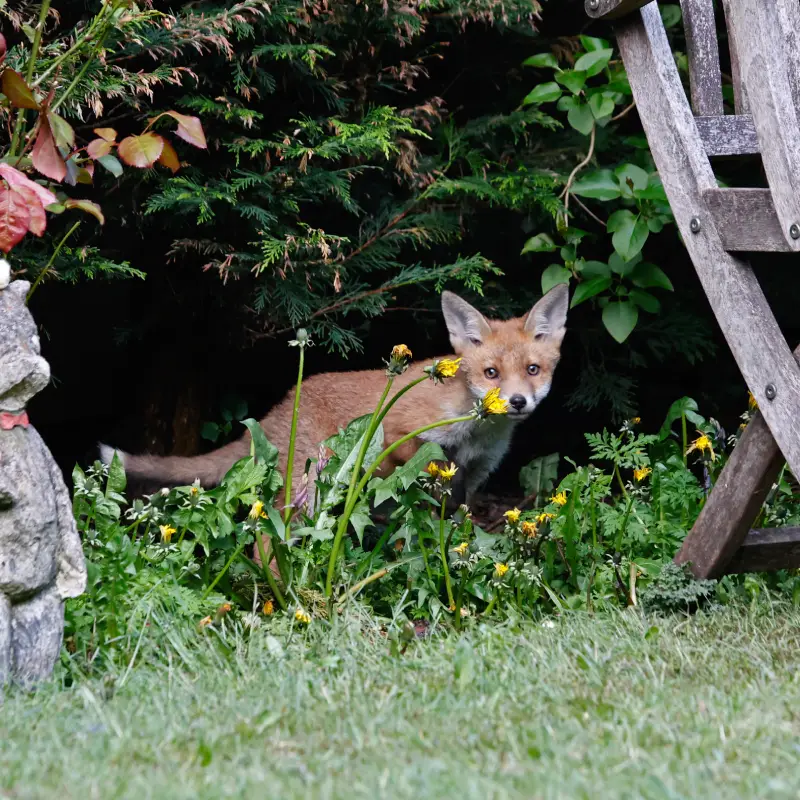
Moreover, you will see more birds, bees, and butterflies. These visitors bring colour and movement. Consequently, your garden feels more alive.
In addition, spending time in nature improves wellbeing. A thriving garden creates a calm and relaxing environment.
Final Thoughts on How to Create a Wildlife-Friendly Garden This Spring
Creating a wildlife-friendly garden this spring does not require complex steps. Instead, you can start small and build over time. Choose native plants, provide water, and avoid chemicals.
Moreover, create shelter and natural habitats. These features attract a wide range of species. As a result, your garden becomes a haven for wildlife.
So, take action today. With careful planning and simple changes, you can create a space that supports nature. Furthermore, you will enjoy a beautiful garden all season long.

Proven Results for Garden Appointments
Every garden appointment we complete is carried out with care, efficiency and respect for the environment. These figures highlight the speed, reliability and recycling success our clients experience when choosing Willow Landscaping.
Fast attendance for urgent garden enquiries.
We finish when we say we will, with no delays.
Most items are either reused, donated, or responsibly recycled.
Clients frequently refer friends, family, and landlords.
How to Create a Wildlife-Friendly Garden This Spring
Create a wildlife-friendly garden this spring by planting native flowers, adding water sources, avoiding chemicals, and providing shelter. This approach supports pollinators, birds, and biodiversity while creating a vibrant outdoor space.
Frequently Asked Questions About How to Create a Wildlife-Friendly Garden This Spring
Transform your garden this spring with diverse plants, natural habitats, and fresh water, encouraging wildlife to thrive and boosting local ecosystems.
Still need help?
If you can’t find the answer you’re looking for, we’re here to help. Just get in touch and one of our team will be happy to assist you.
What Our Clients Say
Client feedback is important to us; moreover, each testimonial reflects our commitment to delivering real results.
“Creating a wildlife-friendly garden this spring was easy with advice, and now my garden supports pollinators and local wildlife daily.”
Simon, Ipswich
“My wildlife-friendly garden has completely changed my outdoor space, bringing in more birds, bees, and natural beauty throughout the seasons.”
Sarah, Felixstowe
“I love my wildlife-friendly garden, as it feels peaceful and full of life, while supporting local wildlife and encouraging biodiversity every day.”
Karen, Ipswich
Moreover, we take great pride in consistently surpassing our clients’ expectations; furthermore, through thorough solutions and attentive care, we reliably deliver exceptional service every time.
Trust and Reassurance
Willow Landscaping provides reliable Spring garden care with insured and trained teams; moreover, every service is carried out professionally, with attention to detail. Consequently, homeowners can relax knowing their garden is protected and maintained.
Book Your Garden Appointment Today
If you need help dealing with How to Create a Wildlife-Friendly Garden This Spring, contact our team today. We can restore your outdoor space and, furthermore, prepare it for the seasons ahead.